
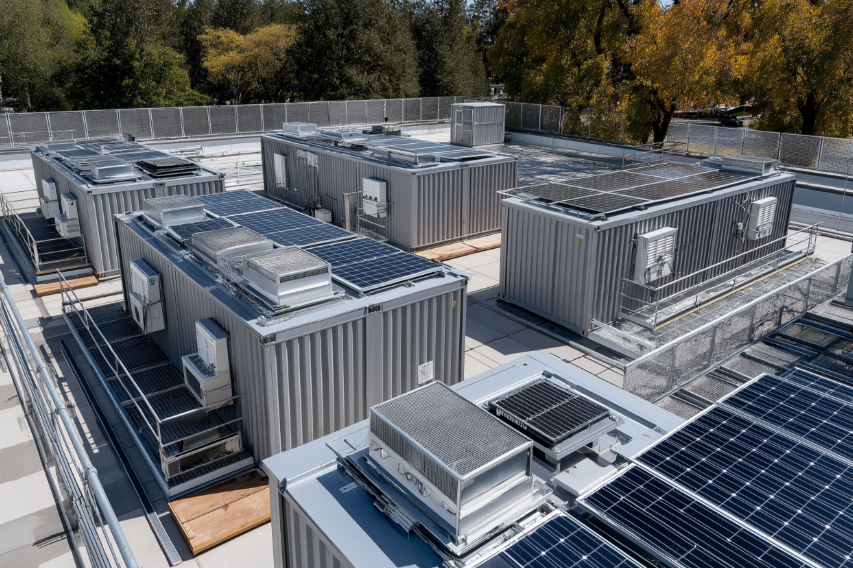
In today’s fast-paced digital landscape, organizations require reliable, scalable, and cost-effective solutions for managing data. One innovative solution that has emerged is the modular data center container. This concept is transforming how businesses approach data storage, computing, and IT infrastructure deployment. In this article, we will explore what modular data center containers are, their advantages, applications, and why they are becoming a preferred choice for modern enterprises.
What is a Modular Data Center Container?
A modular data center container is a self-contained, transportable unit designed to house IT infrastructure, including servers, networking equipment, and storage systems. These containers are pre-engineered and manufactured in a controlled environment, ensuring quality and consistency. They are typically built using standard shipping containers or custom-designed enclosures that can be easily transported, installed, and integrated into existing data center facilities.
Unlike traditional data centers that require extensive construction, modular containers provide a plug-and-play solution, offering faster deployment and reduced setup time. They are designed to be scalable, allowing organizations to expand capacity as needed by adding more containers without disrupting existing operations.
See also: How to Ensure a Smooth Home Automation Service Experience
Key Features of Modular Data Center Containers
- Portability and Flexibility
Modular containers can be transported via trucks, ships, or trains, making them ideal for remote locations or temporary installations. Their design allows quick relocation and deployment wherever IT resources are needed. - Rapid Deployment
Pre-fabricated and pre-tested, these containers reduce the time required to set up a fully functional data center from months to weeks or even days. - Energy Efficiency
Many modular containers include advanced cooling systems, energy-efficient power distribution, and optimized airflow management to reduce energy consumption and operational costs. - Scalability
Businesses can easily scale their infrastructure by adding additional containers, ensuring that IT resources grow in line with organizational needs without major disruptions. - Security and Reliability
These containers are designed to withstand harsh environmental conditions, including extreme temperatures, humidity, and natural disasters. They also provide physical security and can be equipped with fire suppression systems, surveillance, and monitoring tools.
Advantages of Using Modular Data Center Containers
- Cost Savings: Lower construction and operational costs compared to traditional data centers.
- Speed: Rapid deployment enables businesses to meet urgent computing needs.
- Space Optimization: Compact design allows data centers to be set up in limited spaces.
- Reduced Downtime: Pre-configured systems reduce the risk of installation errors.
- Sustainability: Energy-efficient designs contribute to reduced carbon footprint.
Applications of Modular Data Center Containers
- Enterprise IT Expansion
Companies can expand their IT infrastructure quickly without major construction or disruption. - Edge Computing
Modular containers can be deployed at remote or decentralized locations to support low-latency applications such as IoT, AI, and autonomous systems. - Disaster Recovery
They serve as a reliable backup solution, allowing organizations to maintain business continuity in case of natural disasters or system failures. - Temporary Projects and Events
Ideal for large events, research projects, or temporary setups requiring high-performance computing. - Telecommunications and Cloud Services
Telecom operators and cloud service providers can rapidly deploy modular containers to increase capacity and improve service delivery.
Challenges and Considerations
While modular data center containers offer significant advantages, there are a few considerations:
- Limited Customization: Standardized container designs may have constraints on internal configurations.
- Initial Investment: Although cost-effective in the long term, upfront costs can be significant.
- Environmental Requirements: Proper site selection and preparation are essential for optimal performance.
FAQs About Modular Data Center Containers
Q1: How long does it take to deploy a modular data center container?
A: Deployment time varies depending on the container size and configuration, but it can typically take a few days to a few weeks, compared to months for traditional data centers.
Q2: Can modular containers be used in extreme weather conditions?
A: Yes, they are designed to withstand harsh environments, including extreme temperatures, storms, and humidity, ensuring reliable operation.
Q3: Are modular data center containers cost-effective?
A: Yes, they reduce construction costs, operational expenses, and energy consumption, making them highly cost-effective over time.
Q4: Can I expand my data center using modular containers?
A: Absolutely. Their modular nature allows you to scale your infrastructure by adding more containers as your needs grow.
Q5: What types of cooling systems are used in these containers?
A: Most containers use advanced liquid cooling, air cooling, or hybrid cooling systems to maintain optimal temperature and ensure efficient performance.
Conclusion
The modular data center container is a groundbreaking solution that addresses the growing demands of modern IT infrastructure. By offering portability, scalability, rapid deployment, and energy efficiency, it provides businesses with a flexible and cost-effective alternative to traditional data centers. Whether for enterprise expansion, edge computing, or disaster recovery, modular containers are proving to be a reliable and future-ready choice for organizations seeking efficient and sustainable IT solutions.


